Traditional Korean liquor is growing while the drinking is not
Premium makgeolli and craft distillers built a small but expanding market on a rare regulatory exception, even as overall alcohol consumption fell.
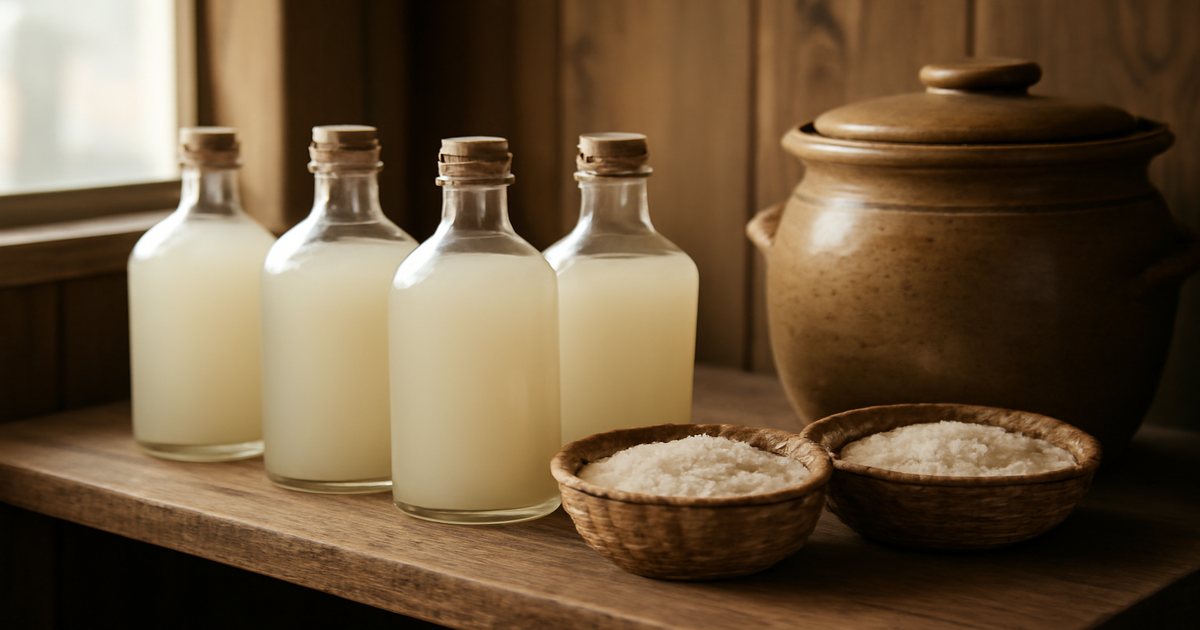
Korean alcohol consumption has been drifting down for most of a decade. Shipment volumes of the two dominant categories, diluted soju and beer, have softened; national health surveys have recorded declining rates of monthly and high-risk drinking, most sharply among people in their twenties; and non-alcoholic beer, which barely existed as a category in the mid-2010s, became a routine convenience-store line. Against that backdrop, one small corner of the industry has been doing the opposite. Traditional liquor — the legal category covering makgeolli and other unrefined rice brews, refined yakju and cheongju, and distilled soju made by designated producers — has been growing, and growing on quality rather than volume.
The category was rescued largely by a rule about e-commerce. Korea prohibits the online retail sale of alcohol, with one significant exception: liquor that qualifies as traditional under the relevant statutes may be sold and shipped directly to consumers. Qualification runs through recognized craft masters and intangible cultural heritage holders, and through regional speciality producers who use local agricultural products, a route opened to smaller makers over successive rounds of deregulation. That exception did something no marketing campaign could. It gave a two-person brewery in a rural county access to a national customer base without needing a distributor, shelf space or a convenience-store listing, and it let those customers find products that no shop near them stocked.
Taxation helped as well. Korea’s 2020 excise reform moved beer and unrefined rice liquor from a value-based to a volume-based tax, which stops penalizing a producer for using better ingredients or charging more. A brewery that ferments with premium rice and no aspartame, ages longer and bottles in smaller runs is no longer taxed proportionally to its ambition. That is the single most important reason a bottle of craft makgeolli can now sit on a shelf at ten or fifteen times the price of the industrial version and still make commercial sense to its maker.
What emerged was a genuine product renaissance. Small breweries built reputations on single-origin rice, natural carbonation and unpasteurized live cultures, sold in glass rather than the familiar green plastic bottle; makgeolli tasting rooms and pairing menus appeared in Seoul; and a wave of young brewers entered through the traditional-liquor academies and regional programmes that train them. On the distilled side, premium soju made by pot still — a category that had been kept alive by a handful of producers since the mid-2000s — expanded, and a celebrity-backed distilled soju launched in 2022 demonstrated that the exception permitting online sales could move very large volumes very quickly when combined with a consumer brand.
The scale should not be overstated. The agriculture ministry’s periodic survey of the sector puts annual shipments of traditional liquor in the low hundreds of billions of won, a rounding error beside the beer and diluted-soju markets, and export volumes, concentrated in Japan and among Korean diaspora markets, remain modest. Distribution outside e-commerce is still difficult, small producers struggle with the working capital that ageing and inventory require, and the legal definition of traditional liquor continues to exclude some of the country’s best-known makgeolli brands on grounds of ownership and ingredient sourcing rather than method — an anomaly the industry has long asked lawmakers to revisit.
Still, the direction is unusual enough to be worth noting precisely because it runs against the aggregate trend. Koreans are drinking less, and a growing share of what they do drink is chosen rather than defaulted into — a bottle bought for its brewery and its rice, drunk at home in smaller quantity, at a higher price per millilitre. That is the same shift that reshaped beer in the United States and sake in Japan, arriving in Korea through a regulatory side door and a tax code amendment rather than through fashion. Falling consumption and a reviving craft sector are not contradictory findings. They are the same finding, seen from two ends.