Korea keeps buying rice nobody eats to shield aging paddy farmers from a shrinking market
Korea props up rice prices through state purchases and subsidies even as consumption falls, keeping paddy farming viable but locking in a costly surplus that policymakers struggle to unwind.
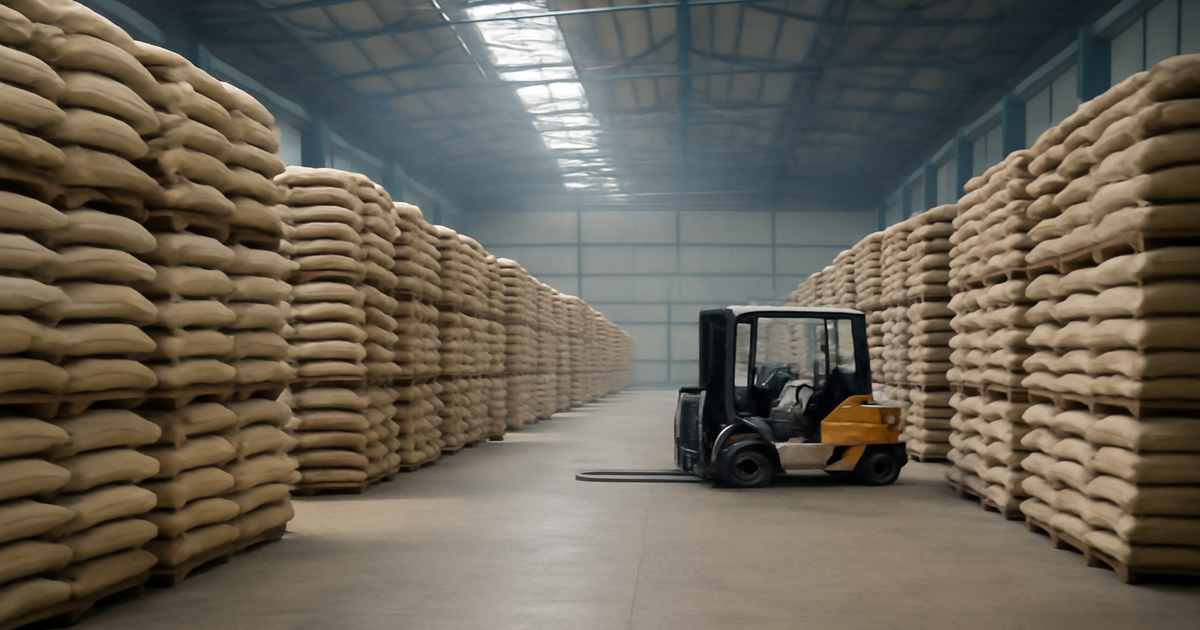
Rice has fallen steadily on the Korean table for decades. Breakfasts have drifted toward bread and coffee, single-person households cook less, and protein-heavy diets have pushed the bowl of white rice from the center of the meal to its edge. Yet the paddies remain. Across the Honam plains and the river valleys of Chungcheong, farmers plant on a scale that consistently produces more rice than the country eats. Behind that mismatch sits one of the most durable arrangements in Korean economic policy: a state that stands ready to buy, store and subsidize a crop whose market keeps shrinking.
The main instrument is government purchasing. Every year the state buys rice for its public reserve, a stockpile justified by food security and maintained through procurement at harvest. When prices sag after a large crop, the government can go further through what officials call market isolation, buying surplus grain and removing it from circulation so it does not drag down prices. The rice then sits in warehouses, often for years, before being sold off at a loss for animal feed, processed foods, alcohol or overseas aid. The cost of storage and the eventual write-down are effectively the price of keeping a floor under farm-gate prices.
Direct payments form the second pillar. Korea once tied a large share of farm support specifically to rice, including a variable payment that rose when prices fell, which critics said rewarded farmers for growing exactly the crop the country had too much of. A 2020 reform folded that system into public-interest direct payments, paid per hectare with conditions on environmental and land-management practices, and weighted toward smaller farms. The change softened the link between rice and subsidy, but paddy land still dominates Korean farmland, so in practice much of the money continues to flow to rice growers.
The reason the system persists is partly demographic and partly political. Korean rice farmers are, on average, old, and rice is the crop that suits them best. It is heavily mechanized, can be managed with hired machinery services, and requires far less daily labor than vegetables or livestock. For an elderly farmer on a small plot, rice is often the only realistic option short of leaving the land. Rural districts carry weight beyond their population in national elections, and the agricultural cooperatives organized under the Nonghyup network are a powerful voice. Rice has also long been framed as a matter of sovereignty, especially since the country opened its market under international trade rules, replacing quotas with a steep tariff in 2015 while still accepting mandated minimum imports.
The tension came to a head in fights over the Grain Management Act. Opposition lawmakers pushed amendments that would oblige the government to buy surplus rice whenever production exceeded demand or prices dropped beyond a threshold. Supporters called it a guarantee of farm income; critics, including the conservative government of the time, argued it would encourage overproduction indefinitely and turn temporary interventions into a permanent fiscal commitment. Presidential vetoes followed, and the debate over mandatory versus discretionary purchasing has remained a recurring flashpoint in Korean agricultural politics.
Policymakers have tried to ease the surplus from the supply side instead. Strategic crop payments reward farmers who switch paddies to wheat, soybeans or forage crops, addressing both the rice glut and Korea’s heavy dependence on imported grain. The government has also promoted rice varieties milled into flour, hoping to substitute domestic grain for some imported wheat in noodles and baked goods. These efforts move slowly, because converting waterlogged paddy fields to dry crops requires drainage work and new skills, and because farmers trust a guaranteed buyer more than an untested market.
What emerges is a policy designed less to grow an industry than to manage its graceful contraction. The price floor keeps aging farmers solvent and rural communities intact, at the cost of warehouses full of rice and a budget line that rarely shrinks. The harder question, still unresolved, is what happens when the generation that sustains the paddies is gone, and whether Korea wants to keep paying to grow the grain its people have quietly stopped eating.