Teacher burnout is testing the foundations of Korea's celebrated school system
Korea's schools rank among the world's best on measured outcomes, but rising complaints, legal exposure and attrition among teachers have pushed the profession's working conditions to the centre of education policy.
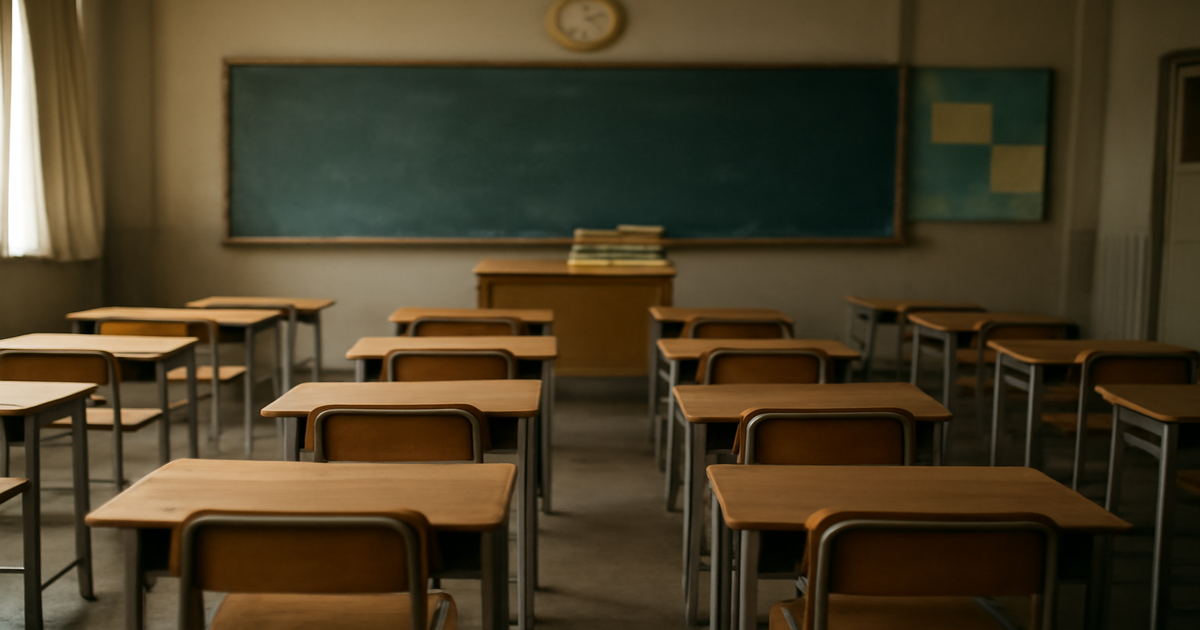
International league tables have long flattered Korean education: strong scores, high graduation rates, disciplined classrooms. The people delivering those results describe a harder reality. Over the past decade, teachers’ organisations have documented a steady rise in aggressive parental complaints, in accusations of child abuse arising from routine discipline, and in administrative workload — and a corresponding rise in teachers leaving the profession early or declining to enter it at all.
The strain became a national issue in 2023, when the death of a young elementary school teacher in Seoul, who had been fielding intensive parental complaints, brought tens of thousands of teachers into the streets in weeks of memorial rallies. The protests were notable in a profession with little tradition of public action, and they forced a legislative response: a package of teacher-protection amendments passed that autumn, strengthening schools’ obligation to handle complaints institutionally rather than leaving individual teachers exposed, and clarifying that legitimate classroom guidance does not constitute child abuse.
The legal changes addressed the sharpest grievance, but the underlying economics of the profession have shifted too. Teaching in Korea was for decades a coveted career — secure, respected and well paid relative to alternatives, with entry controlled by competitive examinations. That premium has eroded. Application ratios for education universities have fallen from their peaks, early retirements have grown, and surveys by teachers’ unions regularly find a majority of respondents saying they have considered leaving. A shrinking student population complicates the picture further: it reduces demand for new teachers, lengthening the queue for placement and making the career bet less attractive precisely when the job has grown harder.
Behind the complaints culture sits the same competitive pressure that drives the private tutoring economy. When families experience schooling as a high-stakes tournament, the teacher becomes a gatekeeper to be managed, lobbied and, when grades disappoint, challenged. Administrators, wary of formal disputes, have often found it easier to pass pressure down to classrooms than to absorb it institutionally — the pattern the 2023 reforms were written to break.
What makes the issue consequential beyond the profession is Korea’s dependence on teaching quality. A system with modest natural resources and a shrinking workforce has treated human capital as its core asset, and that asset is produced classroom by classroom. Systems that let teaching become an undesirable job have historically paid for it a generation later, in exactly the measured outcomes Korea is known for.
The open question is whether legal protection translates into daily practice — whether complaint procedures, workload and classroom authority change in ways teachers can feel. The answer will be visible less in statutes than in application ratios and retention figures over the coming years.